NextGen Ri featured on BBC Nottinghamshire for work on Destiny, our humanoid robot
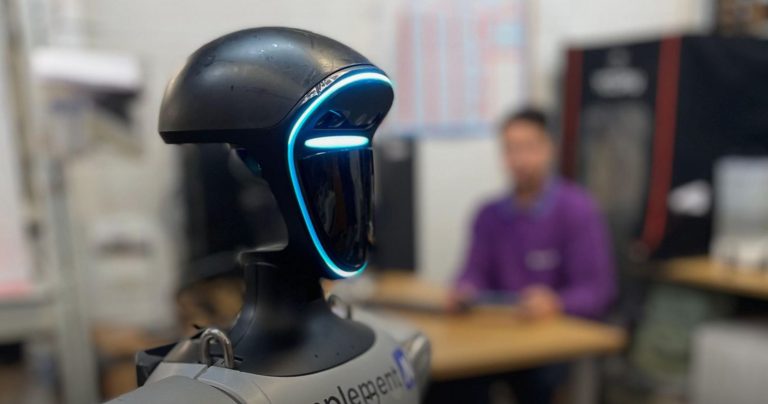
NextGen Ri has been featured on BBC Nottinghamshire, giving us the chance to talk about Destiny, the humanoid robot we are developing, and a question that matters far beyond one machine: where can robotics genuinely help in the real world?
People are naturally curious about robots, and rightly so. The important thing is to move that curiosity beyond spectacle and into a practical conversation about where robotics can genuinely help.
Too often, robots are talked about in extremes. They are either treated as a novelty or framed as a threat.
The most valuable uses of robotics are usually much more straightforward than that. Robotics can make a real difference in work that is repetitive, physically demanding, or carries avoidable risk.
In the right settings, it can improve safety, support productivity, and allow people to focus more of their time on the work that benefits most from human judgement, skill and adaptability.
That is also why humanoid robotics is attracting so much attention. Most workplaces are already designed around people. Doors, stairs, tools, workstations and layouts all reflect the way humans move and operate.
A humanoid robot has the potential to work within those environments without requiring everything around it to be redesigned first.
That does not mean humanoids are the answer to every challenge, and it does not mean every task should be automated. What it does mean is that there are clear use cases where this form factor can be practical, especially where consistency, endurance and safety matter.
The aim is not to remove people from work where people matter most. It is to use robotics where it can make work safer, more consistent and more sustainable.
For robotics to be useful, it also has to be trusted. That means building systems that are practical, reliable and designed around real human environments.
At NextGen Ri, that is where our focus sits. We are developing robotics that are useful, built for real environments and that can support people in meaningful ways.
We really enjoyed taking part in the filming and bringing Destiny out into the local community. It is important to us that robotics is something people can see up close, ask questions about, and understand in a real world way.
There is also something important about where this work is happening. Destiny is being developed here in Nottinghamshire, in a place with a strong industrial history. For us, that makes the conversation about robotics feel even more real and more relevant.